/ 01
Diverts green waste from landfill
Aquatic vegetation cleared from Australian waterways is normally dumped or sent to landfill. PhragMighty captures it as a productive feedstock.

Mighty green · Mighty good
A liquid biostimulant and high-carbon biopellet, both made from harvested Phragmites reeds — turning an invasive aquatic plant into productive inputs for Australian growers.
Excess nitrogen and phosphorus from agricultural runoff trigger eutrophication: a runaway cascade that turns clear water into algal soup.
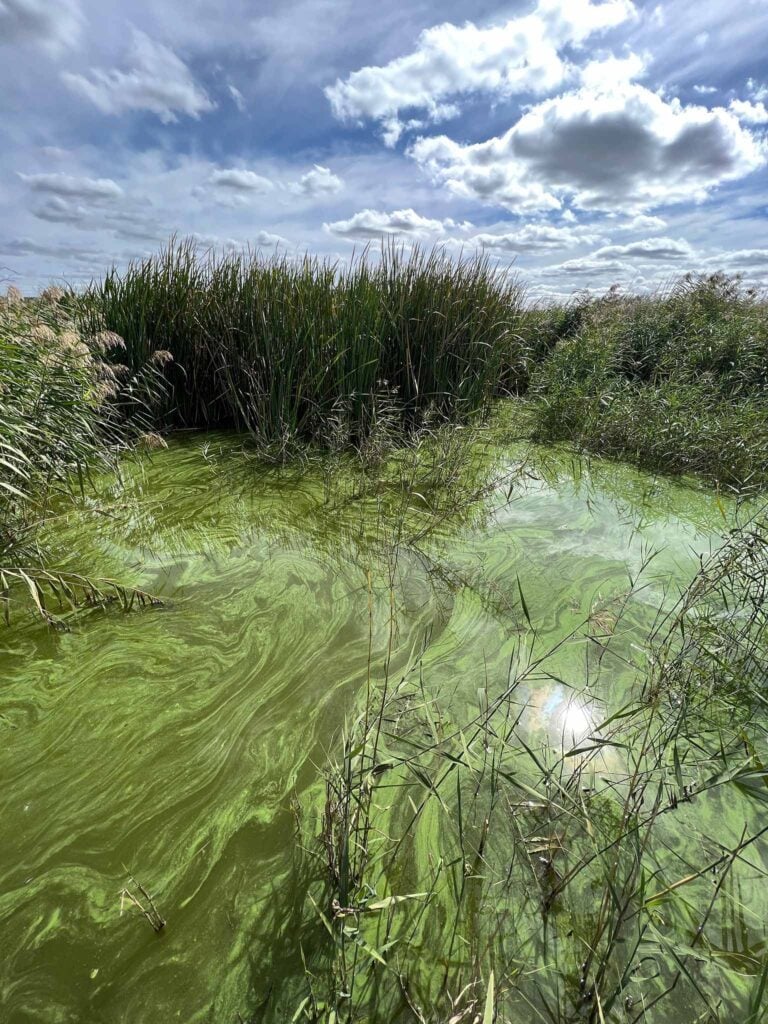
Algae feed on excess nitrogen and phosphorus in the water.
Algae blooms — growing, spreading and forming dense mats.
Water turns green, develops odours, and biodiversity collapses.
Sunlight is blocked. In some cases, toxins are released.
Aquatic macrophytes like the common reed (Phragmites australis) and Cumbungi thrive in these conditions, dominating affected waterways. They grow 3–5 metres per season, spreading laterally through underground roots, and release allelopathic chemicals that suppress other vegetation — collapsing biodiversity and bird habitat.
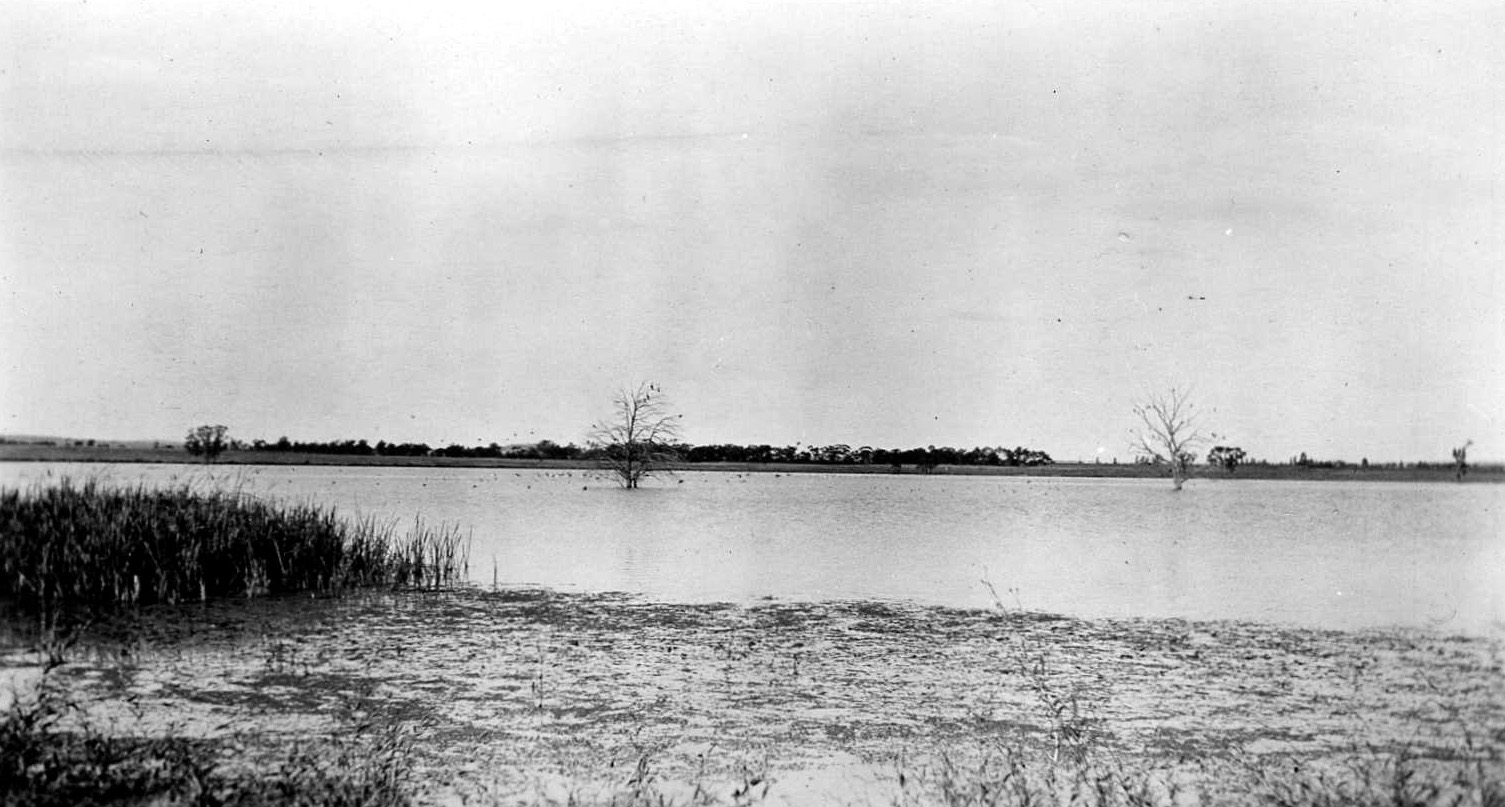
Lake Wyangan, near Griffith NSW, is a textbook eutrophication case. Decades of agricultural runoff have shifted it from a clear recreational lake to a recurring algal bloom hotspot.
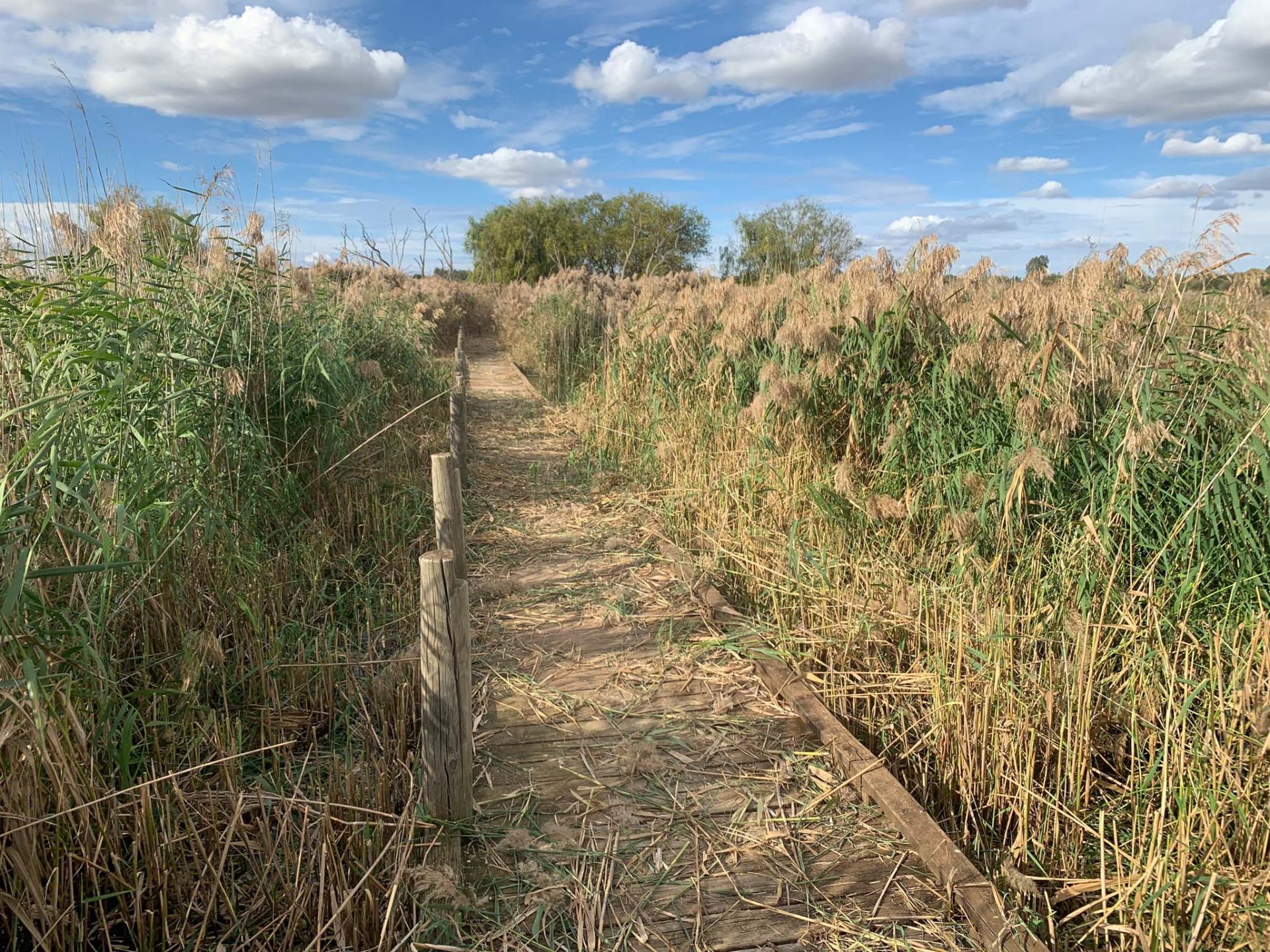
Tasked with controlling an invasive aquatic plant, we knew there was a better path than landfill. Through theoretical and applied research, we developed a microbial process that converts harvested reed biomass into two beneficial products: a liquid biostimulant and high-carbon biopellets.
We named it — from the botanical name for the common reed, Phragmites australis. It is mighty green, and it is mighty good.
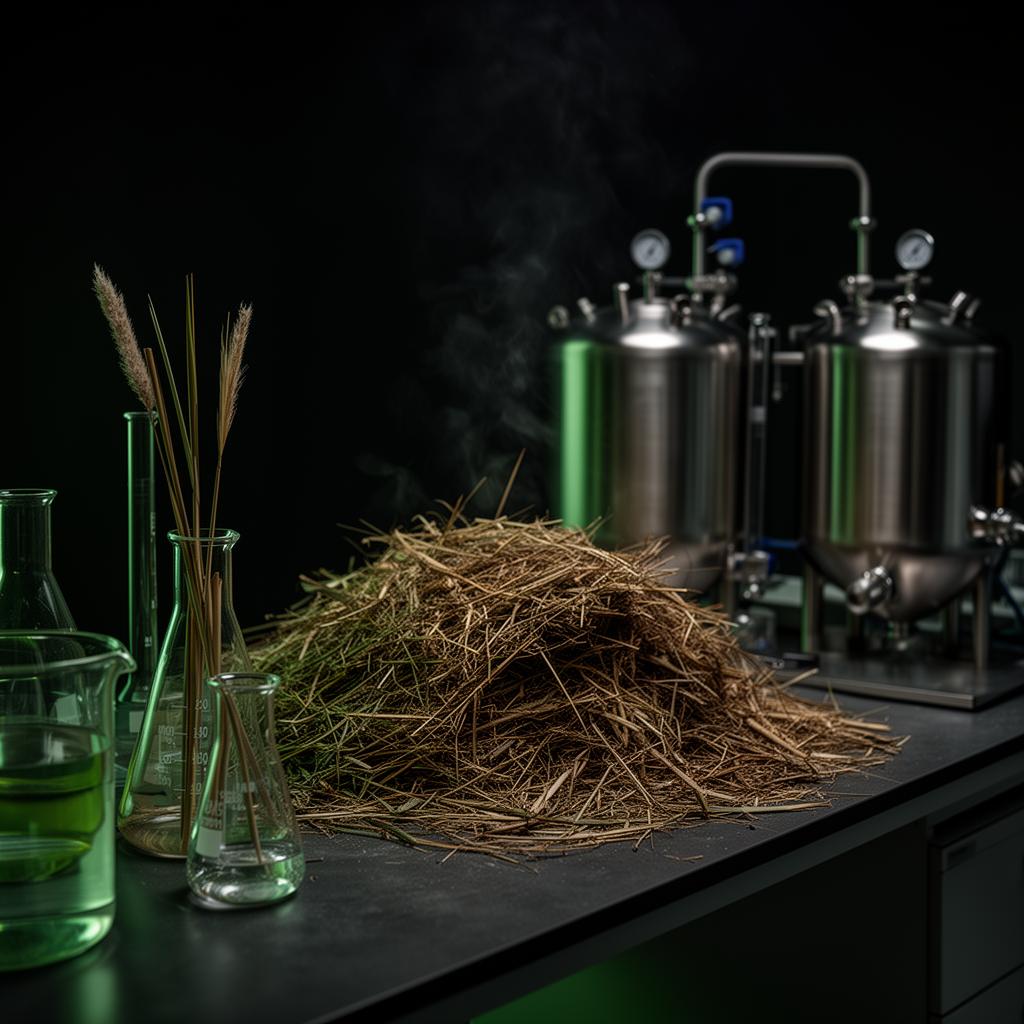
contains trace elements, beneficial microbes, and complex carbon. Independently lab-tested for both nutrient and contaminant levels.
Aquatic vegetation cleared from Australian waterways is normally dumped or sent to landfill. PhragMighty captures it as a productive feedstock.
Diverting carbon-rich green waste from anaerobic landfill decay reduces methane emissions and closes the nutrient loop on-farm.
Independent trials show increased root and shoot mass, improved drought resistance and reduced disease pressure compared with controls.
Every tonne harvested is nitrogen and phosphorus removed at source — directly contributing to healthier inland waterways.
The range gives growers two ways to deliver carbon, microbes and trace elements to their soil.
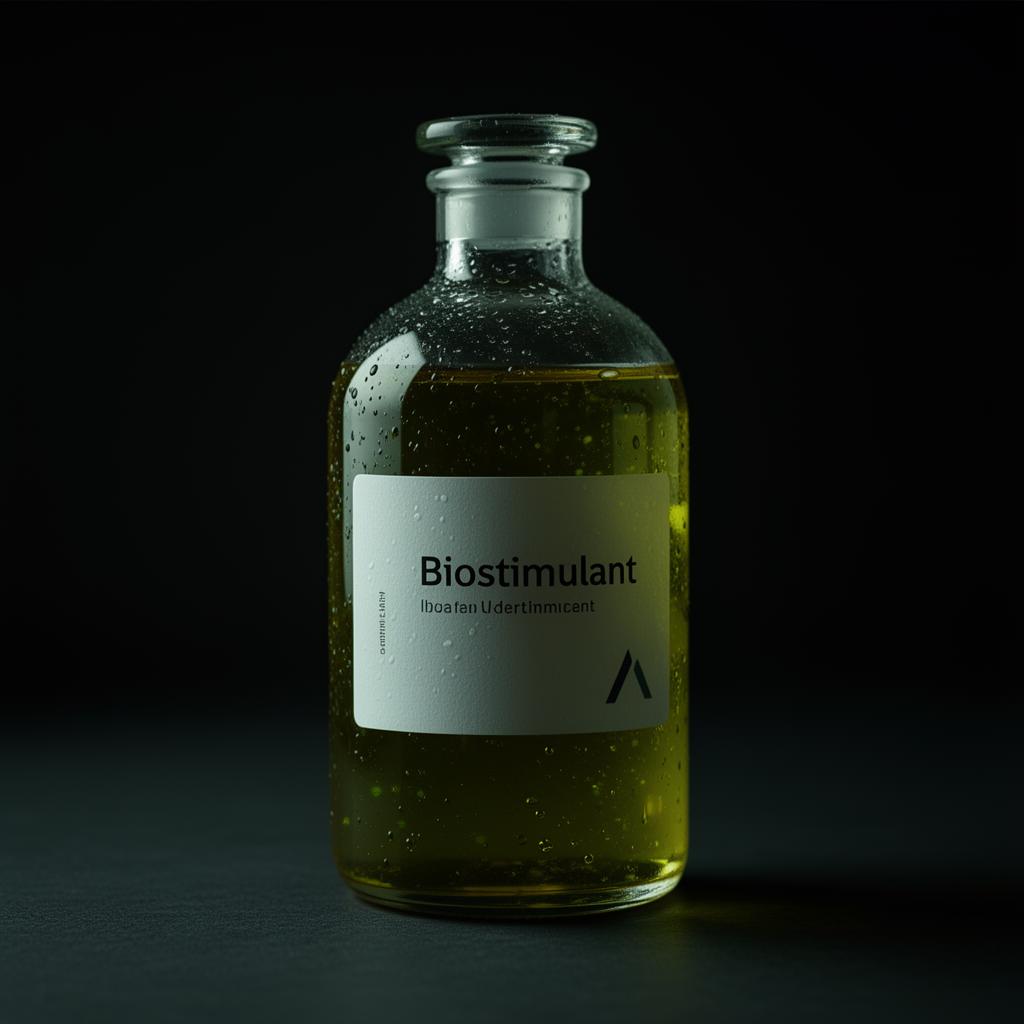
Independently lab-tested for nutrient and contaminant levels, and plant-tested on tomatoes, citrus, ornamentals and turf grasses. Plants treated with PhragMighty showed greater drought and disease resistance and increased root and shoot mass compared with controls.
Register interest →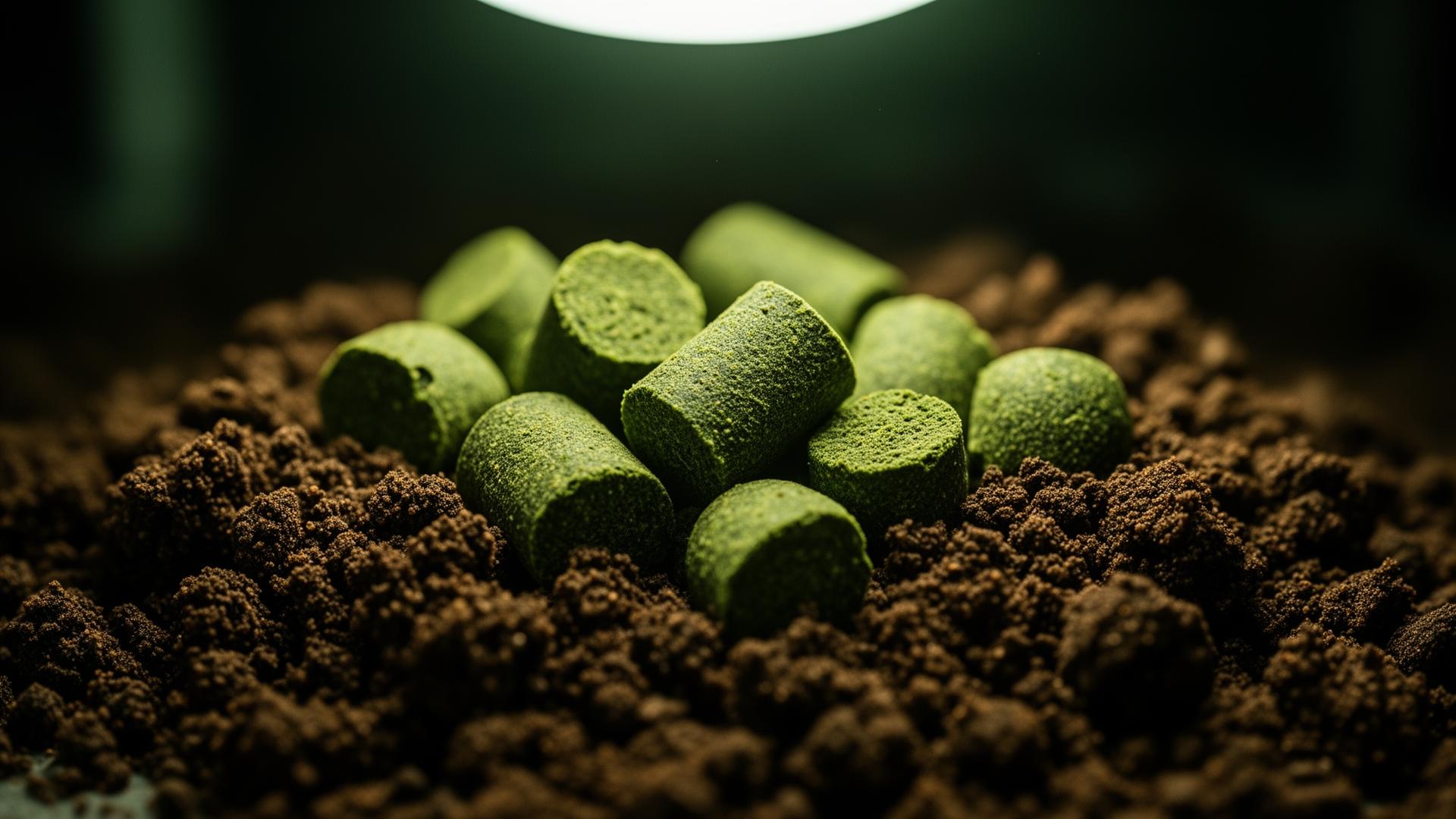
Adds complex carbons, supports beneficial microbes, improves drainage and nutrient buffering, and reduces soil surface temperature. Best applied at the start of the growing season, or whenever soil organic matter is low.
Register interest →PhragMighty Liquid Biostimulant — application rates vary by crop. Contact us for a recommendation tailored to your operation.
Also contains trace amounts of Sulphur, Magnesium, Zinc and Iron.
Leave your details and we'll be in touch as the next batches and trial opportunities open up.